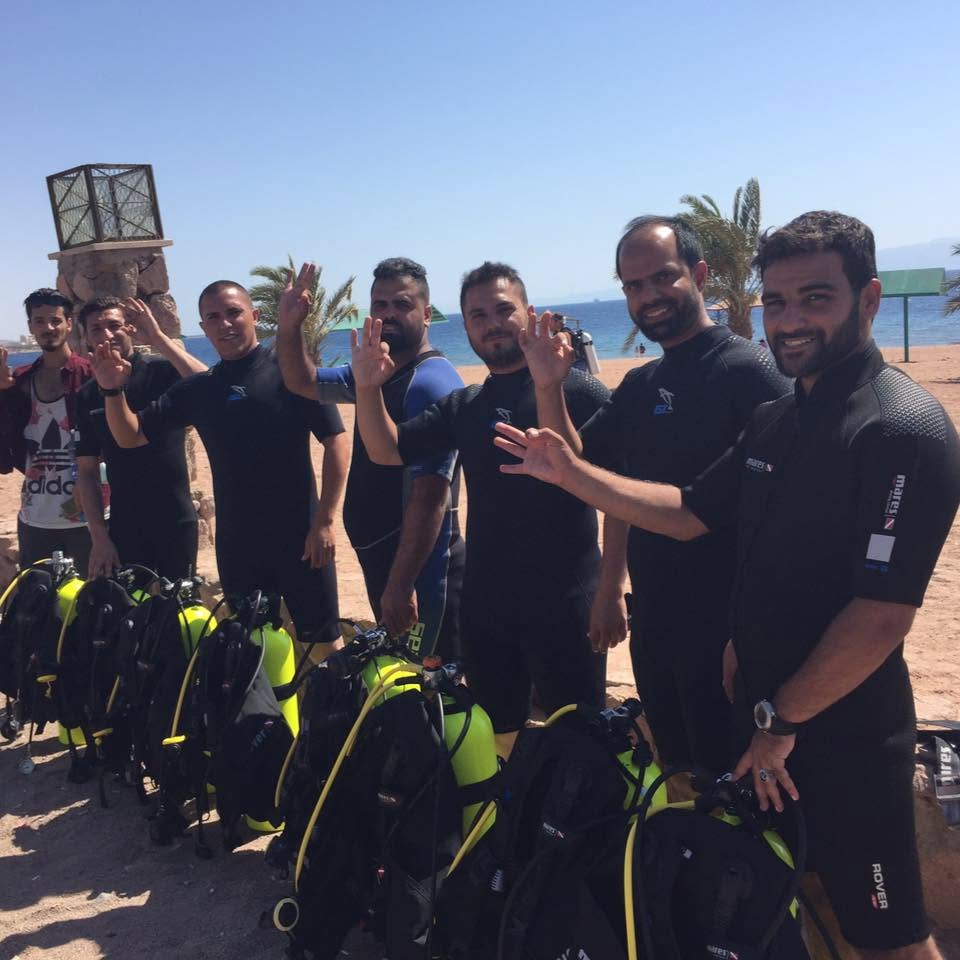
Scuba Diving Safety in Aqaba: Essential Tips for a Safe Red Sea Dive

Planning to scuba dive in Aqaba? Discover practical scuba diving safety tips, essential equipment checks and local Red Sea advice for a safer and more enjoyable dive

Scuba Diving Safety in Aqaba: Essential Tips for a Safe Red Sea Dive

Scuba diving in Aqaba offers warm Red Sea waters, colorful coral reefs and dive sites suitable for different experience levels. But a great dive always starts with good preparation and safe diving practices. Whether you are trying scuba diving for the first time or already certified, understanding the basic safety procedures can help you enjoy Aqaba’s underwater world with confidence. In this guide, we share practical scuba diving safety tips based on what divers should know before entering the water in Aqaba.

1. Choose a Professional Dive Center in Aqaba

A safe dive starts before you enter the water. Choose a professional dive center that provides a clear dive briefing, well-maintained equipment and appropriate supervision for your experience level. If you are a beginner or trying scuba diving for the first time, your instructor should explain the equipment, basic underwater communication and important safety procedures before the dive. Certified divers should also discuss their certification level, recent diving experience and any relevant concerns with the dive team. In Aqaba, dive sites vary in depth, conditions and difficulty, so choosing a site that matches your experience is an important part of planning a safe and enjoyable dive.
courses01

2. Check Your Scuba Diving Equipment

Before every dive, take a few minutes to check your equipment. Make sure your regulator is breathing normally, your BCD inflates and deflates correctly, and your air supply is fully open and sufficient for the planned dive. Check that your mask, fins, weights and other equipment fit comfortably and are properly secured. If you are using rental equipment, tell your instructor or divemaster immediately if something does not feel right. A proper buddy check before entering the water is a simple but important part of safe scuba diving.

3. Listen Carefully to the Dive Briefing

Before entering the water, your instructor or divemaster will explain the dive plan, including the route, expected depth, entry and exit points, and any conditions you should be aware of. Pay attention to hand signals, buddy procedures and what to do if you become separated from the group. If anything in the briefing is unclear, ask before the dive begins. Local knowledge is especially valuable in Aqaba, as conditions and suitable routes can vary between dive sites.

courses03

4. Stay With Your Buddy and Within Your Limits

The buddy system is one of the most important parts of safe scuba diving. Stay close enough to your buddy to communicate easily and assist each other if needed.

You should also dive within the limits of your training, certification and experience. If a dive site, depth or condition feels beyond your comfort level, tell your instructor or divemaster before entering the water.

There is no reason to rush underwater. A relaxed dive within your experience level is usually a more enjoyable dive.

5. Monitor Your Air and Depth

Check your air supply regularly throughout the dive rather than waiting for your instructor or divemaster to ask. Knowing how much air you have left helps you stay relaxed and allows enough time to return and ascend safely.

Keep an eye on your depth as well, especially when diving along Aqaba’s reefs where the seabed can gradually become deeper. Stay within the depth limits of your certification and follow the dive plan discussed during the briefing.

If you notice that you are using air faster than expected, let your buddy or dive guide know early. Good communication underwater makes the dive safer and more comfortable for everyone.

6. Control Your Buoyancy and Ascend Slowly

Good buoyancy control helps you move comfortably underwater while avoiding accidental contact with the seabed or coral. Make small adjustments to your BCD and use your breathing to maintain a stable position during the dive.

When the dive is ending, follow your guide and ascend slowly while monitoring your depth. Avoid rapid ascents and follow the safety-stop procedures explained during your dive briefing.

Controlled buoyancy is also important for protecting Aqaba’s coral reefs. Keep a safe distance from the reef and avoid touching, standing on or kicking coral with your fins.

7. Stay Hydrated Before and After Diving

Aqaba’s warm climate makes hydration especially important for divers. Drink enough water before your dive and continue hydrating afterwards, particularly during the warmer months.

Avoid starting a dive when you feel dehydrated, exhausted or unwell. Diving should be enjoyable, and being well rested and properly hydrated can help you feel more comfortable throughout the experience.

If you are unsure whether you are ready to dive, speak with your instructor or divemaster before entering the water.

8. Protect Aqaba’s Coral Reefs

Aqaba’s coral reefs are one of the highlights of diving in the Red Sea, and every diver can help protect them. Maintain good buoyancy and keep enough distance from the reef to avoid accidental contact.

Never touch, stand on or collect coral, and avoid chasing or handling marine life. Even small contact can damage delicate reef organisms or disturb animals in their natural environment.

Responsible diving helps preserve Aqaba’s underwater environment so future divers can enjoy the same reefs and marine life.

9. Check the Weather and Sea Conditions in Aqaba

Conditions in Aqaba can vary from day to day, so check the weather and sea conditions with your dive center before heading into the water. Wind, waves and visibility can influence the dive plan and the choice of dive site.

Your instructor or divemaster may recommend changing the entry point, dive site or timing depending on the conditions. Local dive professionals know the area and can help choose an appropriate option for the day.

If conditions are not suitable, it is always better to adjust the plan than to force a dive. Safety should come before completing a particular dive site.

10. Know Your Limits and Speak Up

Every diver has a different level of experience and comfort underwater. Never feel pressured to continue a dive if you are uncomfortable, tired or unsure about the conditions.

Tell your instructor or divemaster immediately if you have a problem with your equipment, equalization, breathing or simply do not feel comfortable. It is much easier to deal with a concern early than to wait until it becomes a bigger problem underwater.

For first-time divers in Aqaba, asking questions is part of the experience. A professional dive team should give you enough time to understand the plan and feel comfortable before entering the Red Sea.

Quick Scuba Diving Safety Checklist for Aqaba

Before entering the water, take a moment to make sure you are ready for the dive:

  • Choose a professional dive center and a dive suitable for your experience.
  • Check your regulator, BCD, air supply, mask, fins and weights.
  • Complete a buddy check before entering the water.
  • Listen carefully to the dive briefing and confirm the dive plan.
  • Stay close to your buddy and follow your dive guide.
  • Monitor your air supply and depth throughout the dive.
  • Maintain good buoyancy and avoid touching coral or marine life.
  • Ascend slowly and follow the recommended safety-stop procedure.
  • Stay hydrated and do not dive if you feel unwell or exhausted.
  • Speak up immediately if you feel uncomfortable at any point.

Frequently Asked Questions About Scuba Diving Safety in Aqaba

Is scuba diving in Aqaba safe?

Scuba diving in Aqaba can be a safe and enjoyable experience when dives are properly planned and conducted with appropriate equipment, supervision and attention to local conditions. Always follow the instructions of your dive professional and stay within your training and experience level.

Is Aqaba suitable for beginner divers?

Yes. Aqaba has diving experiences suitable for beginners as well as certified divers. First-time divers should dive under professional supervision and receive a clear briefing and basic skills instruction before entering the water.

Do I need a diving certification to scuba dive in Aqaba?

You do not necessarily need a diving certification to try scuba diving for the first time. Beginners can participate in supervised introductory diving experiences. Certification is required for independent certified-diver activities according to the requirements of the dive operator and training organization.

What should I bring for scuba diving in Aqaba?

Bring swimwear, a towel, drinking water and sun protection for the time you spend outside the water. If you are already certified, bring your diving certification details and any personal diving equipment you prefer to use.

When is the best time to scuba dive in Aqaba?

Diving is available in Aqaba during much of the year, but actual conditions can vary. Check the weather, sea conditions and visibility with your dive center before your planned dive, as local conditions may influence the dive site and schedule.

What should I do if I feel uncomfortable during a dive?

Communicate with your buddy, instructor or divemaster immediately using the agreed underwater signals. Do not feel pressured to continue a dive if you are uncomfortable. Follow your dive professional’s instructions and end the dive safely when necessary.

Ready to Go Scuba Diving in Aqaba?

Explore Aqaba’s Red Sea with Red Coral Dive Center. Whether you are trying scuba diving for the first time or you are already certified, our local dive team can help you choose an experience that matches your level.

Contact Red Coral Dive Center